


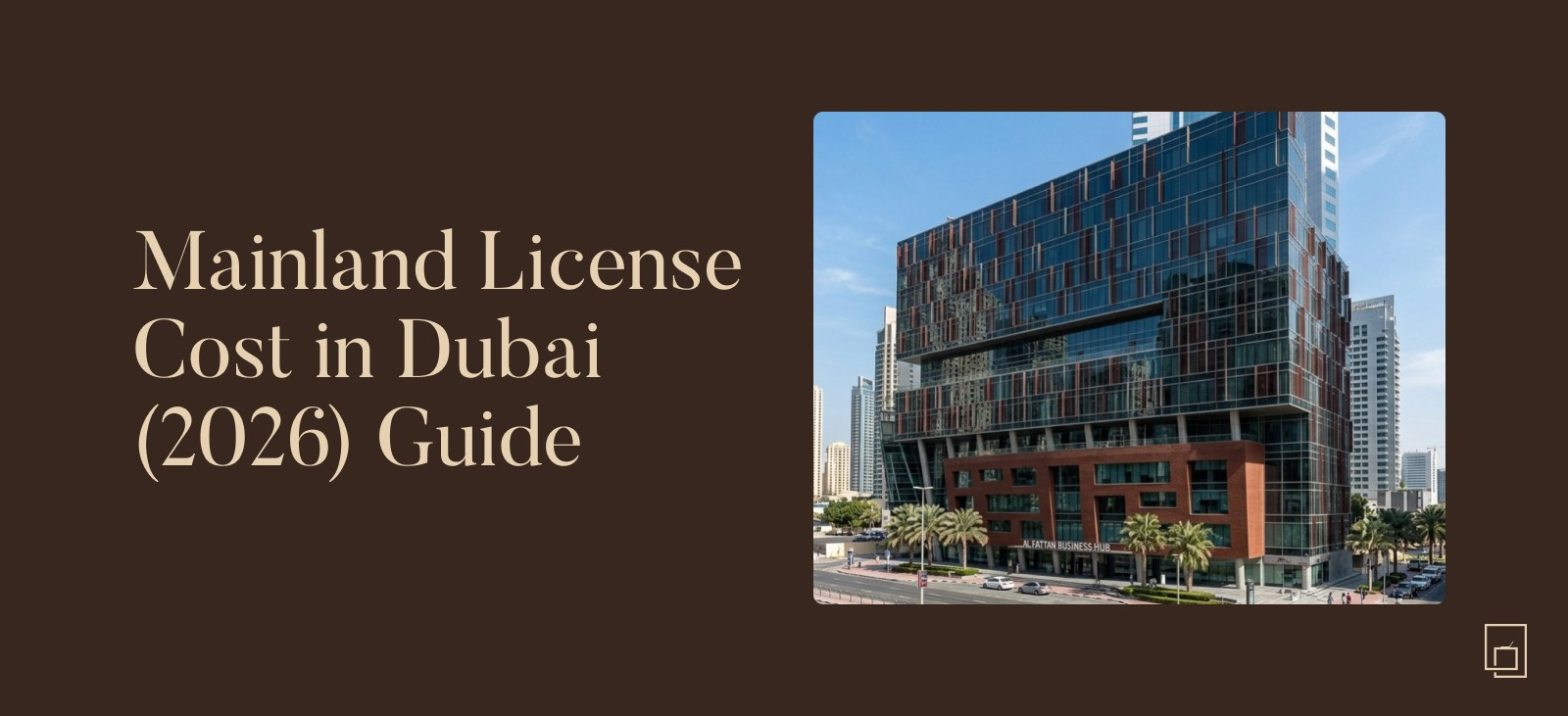
Key Takeaways
Establishing a mainland licence in Dubai requires a clear understanding of cost structure, regulatory steps, and how early decisions shape long-term operations.
The total setup cost extends beyond the licence fee, with office space, visas, approvals, and ongoing renewals forming a significant part of the investment.
Business activity, legal structure, and visa requirements directly influence both cost and complexity, making early planning essential.
Following the correct process and aligning documentation from the outset reduces delays, avoids rework, and improves setup efficiency.
Setting up a company on the Dubai mainland provides full access to the UAE market. Unlike free zone structures, a mainland licence allows direct trade with local clients, eligibility for government contracts, and the ability to operate across all seven emirates without restriction. For many businesses, this level of access makes the mainland the most practical choice.
Understanding the full cost from the outset is critical. The licence fee is only one component. Office space, visa allocation, government charges, and external approvals all contribute to the total, and overlooking them is the most common reason budgets exceed expectations.
What a Mainland License in Dubai Allows
A mainland licence issued by the Dubai Department of Economy and Tourism (DET) allows a company to operate anywhere in the UAE without geographic restriction. It enables direct trade with the local market, access to government and semi-government contracts, and the ability to establish a presence across multiple emirates.
This structure is suited to businesses that serve UAE-based clients, operate in retail or B2B sectors, or require a visible local presence. It also supports companies that rely on direct market access rather than operating through intermediaries.
Mainland License Dubai Cost in 2026
A clear view of how each component fits together supports accurate budgeting.
Total Cost Overview
The cost of obtaining a mainland licence in Dubai varies depending on business activity, office requirements, and visa allocation. A lean setup typically starts from a lower cost base, while more complete setups with office space, visas, and external approvals require a higher initial budget.
The key distinction is that the licence fee alone does not reflect the full cost of setup. Many estimates refer only to the licence itself, which can lead to underestimating the actual investment required.
Cost Structure by Component
A mainland licence involves several cost elements that together determine the overall investment:
Trade licence fee (varies by activity and legal structure)
Initial approval (required before proceeding)
Trade name registration
MOA drafting and notarisation (based on ownership structure)
Office lease and Ejari registration
Visa processing costs (per employee)
Establishment card and immigration file
Government charges applied across transactions
These costs vary based on the business model, office size, and number of visas required.
Office Space Cost
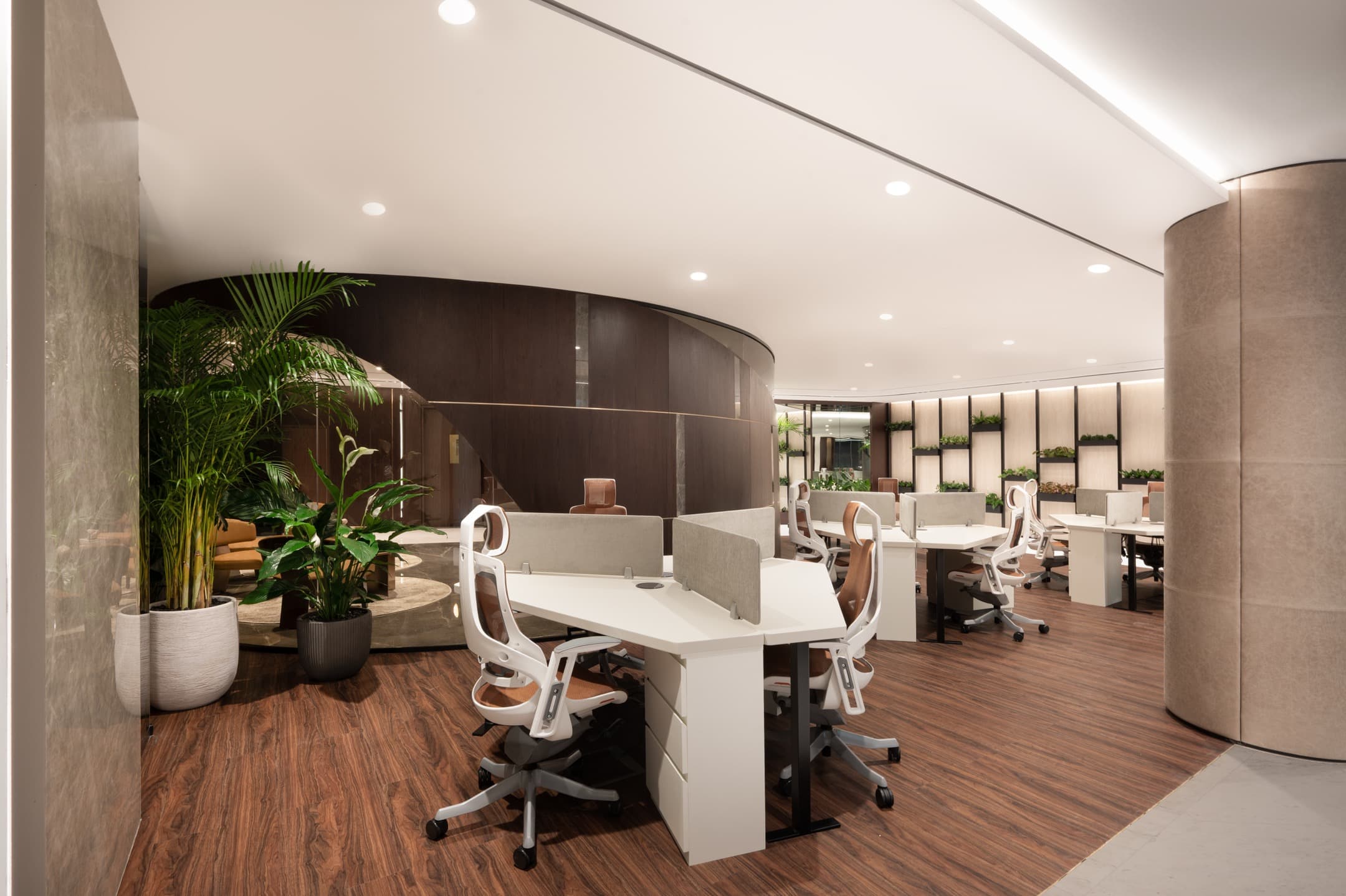
The size and type of workspace directly influence both setup cost and visa allocation. The number of visas a company can sponsor is linked to its registered office, with larger spaces allowing higher quotas.
Virtual office and flexi-desk options typically involve lower annual costs and support a limited number of visas. Private offices require a higher investment, with costs increasing based on size, location, and building quality.
For businesses planning multiple visas, workspace requirements should be defined early, as they affect both budget and operational capacity.
Additional and Hidden Costs
Several cost elements are often overlooked during planning and contribute to budget overruns.
Regulated activities involve external approvals, with costs varying depending on the sector. Healthcare businesses require Dubai Health Authority approval, food-related activities require municipality clearance, and transport services involve RTA approval. These must be secured before the licence is issued.
Sole establishments owned by foreign nationals typically require a local service agent, with fees formalised through a notarised agreement.
Translation and notarisation of foreign documents, PRO services for document handling and government coordination, and bank account setup costs also contribute to the first-year total.
Renewal Costs
Ongoing expenses extend beyond the initial setup and should be planned from the outset. Annual renewal fees are generally similar to the original licence cost, alongside office lease and visa-related expenses.
Office leases renew annually, while visas typically require renewal every two to three years. Factoring these into long-term planning helps maintain continuity of operations.
What Affects Mainland License Cost in Dubai
Variations in cost are primarily driven by business activity, legal form, and operational requirements.
Business activity is the primary factor. Standard commercial and professional activities involve lower fees than regulated sectors. A consultancy has a simpler and lower-cost setup than a healthcare or industrial business that requires external approvals.
Legal structure also influences cost and documentation. A limited liability company (LLC) requires a Memorandum of Association and notarisation, while a sole establishment has fewer formal requirements but may involve a service agent.
Visa requirements influence office size, which directly impacts lease cost. A company planning to sponsor more employees will need larger premises than one operating with a smaller team.
Office location and building quality further influence cost. Premium locations command higher rents, though they may offer operational and reputational advantages.
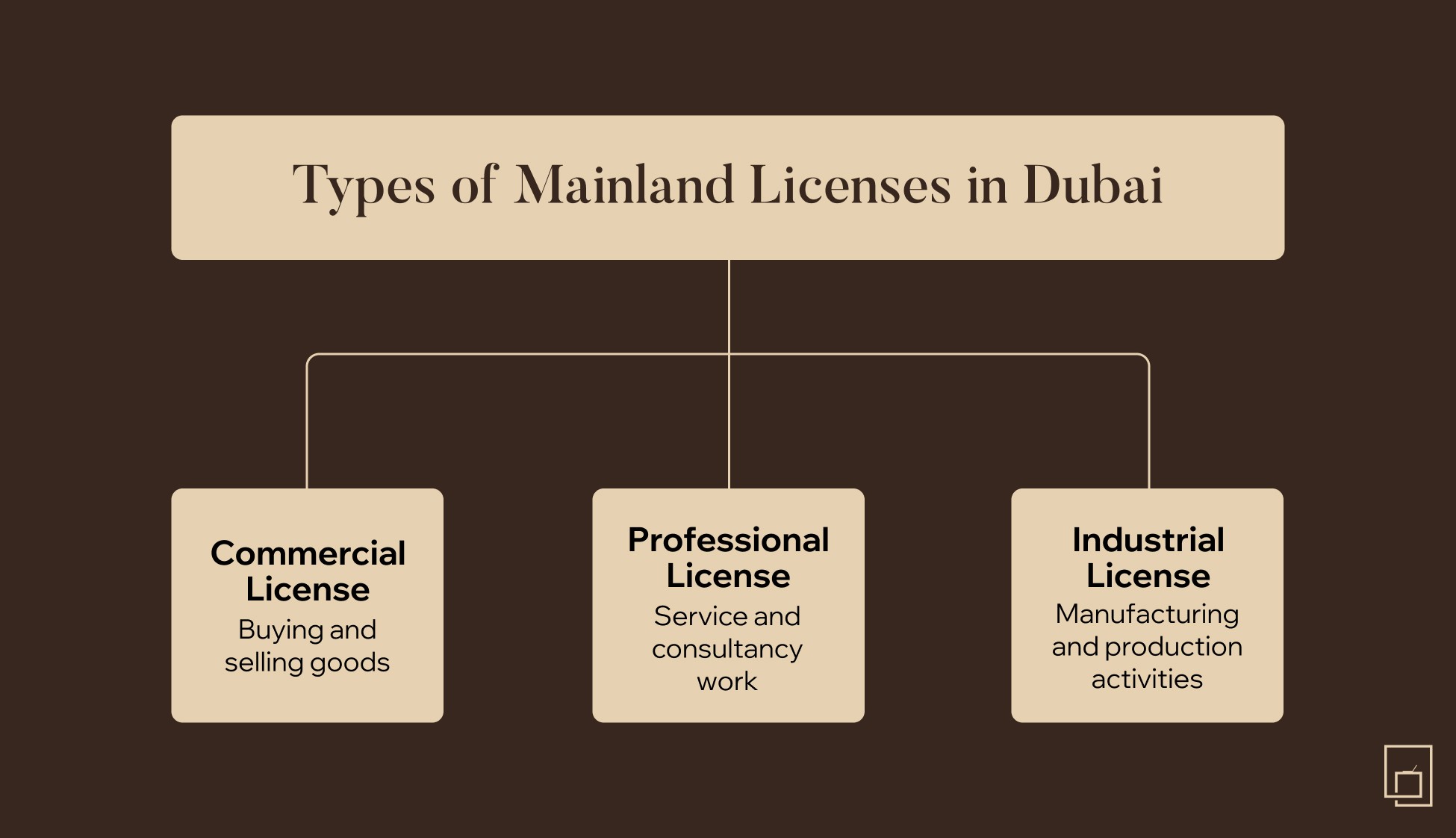
Types of Mainland Licenses in Dubai
The type of licence determines the nature of business activity, applicable approvals, and overall cost structure.
Commercial (Trading Activities)
Issued to businesses involved in the buying and selling of goods, including general trading, retail, import and export, and wholesale distribution. These licences typically carry moderate government fees but may require additional approvals for certain product categories.
Professional (Service-Based Activities)
Applies to service-based and consultancy activities where value is delivered through expertise rather than goods. Marketing agencies, IT firms, consultancies, and educational services fall under this category. Base fees are generally lower than commercial licences.
Industrial (Manufacturing and Production)
Required for manufacturing, production, and processing operations. These licences involve stricter regulatory oversight, often requiring approvals from relevant authorities and compliance with environmental and safety standards, resulting in higher setup costs.
Step-by-Step Process to Get a Mainland License in Dubai
The process follows a defined sequence, where each step builds on the previous one and must be completed in order.
Step 1: Define Your Business Activity
Select an activity from the DET’s approved list that accurately reflects how the company will operate. Misaligned activity selection often leads to approval delays or amendments later in the process.
Step 2: Choose Your Legal Structure
Determine whether the business will operate as an LLC, sole establishment, civil company, or another structure. This decision affects ownership, liability, and documentation requirements, as well as the approvals needed in later stages.
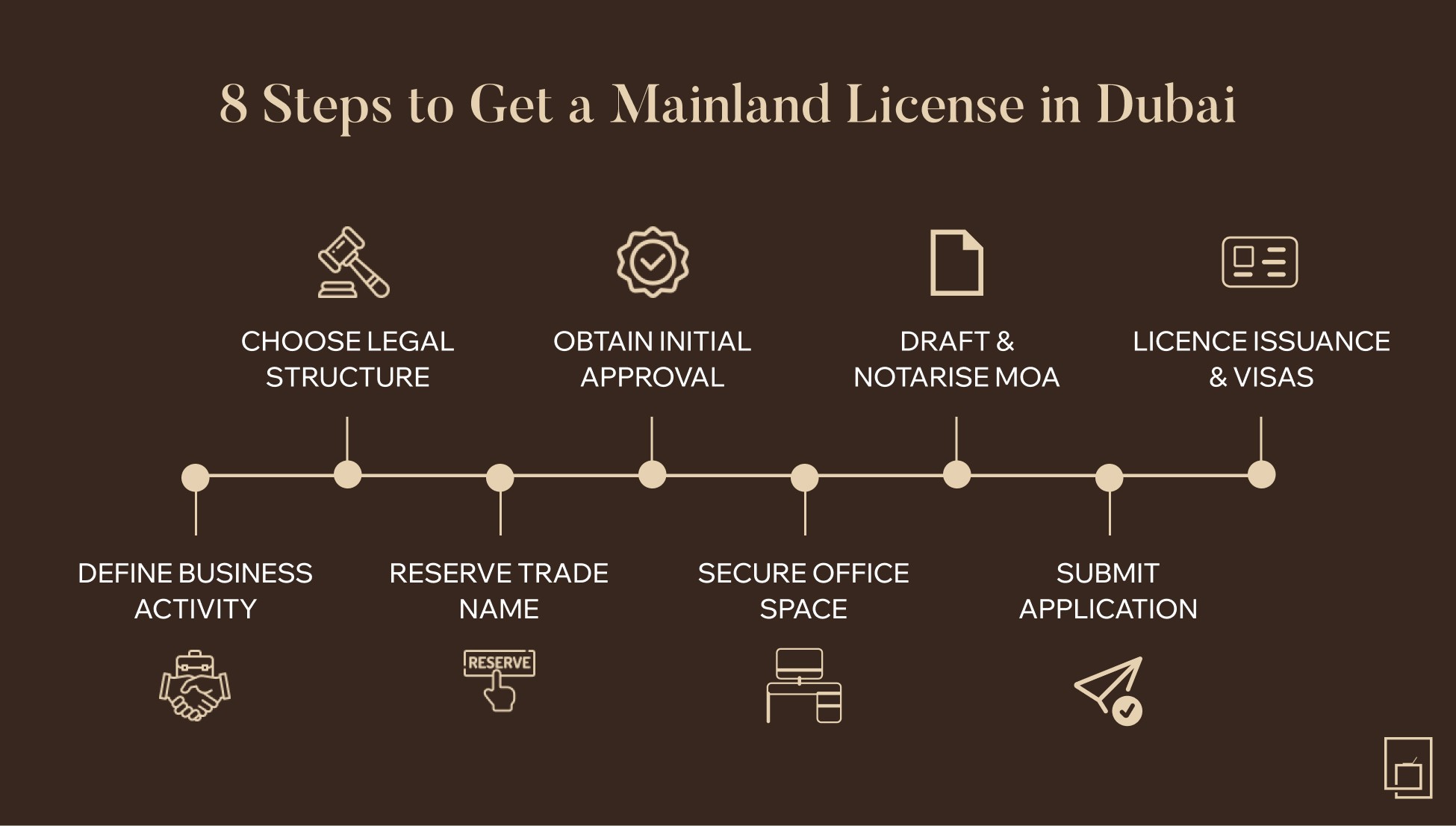
Step 3: Reserve Your Trade Name
Submit name options in order of preference. The selected name must comply with UAE naming regulations and be available for registration. Approval results in a trade name reservation certificate.
Step 4: Obtain Initial Approval
Apply for initial approval from the DET to confirm there is no objection to the proposed activity and structure
Step 5: Secure Office Space
A registered office with a valid Ejari tenancy contract is required before the licence can be issued, typically secured through a compliant workspace. Workspace size also influences visa allocation and overall cost.
Step 6: Draft and Notarise the MOA
For LLC structures, the Memorandum of Association must be prepared and notarised. It defines ownership, authorised activities, and management responsibilities.
Step 7: Submit Documents and Pay Fees
Submit the full application, including the trade name certificate, initial approval, MOA, Ejari, passport copies, and any required approvals. The DET reviews the submission and identifies any outstanding requirements.
Step 8: Licence Issuance and Visa Processing
Once approved, the licence is issued and the establishment card can be opened. Visa processing follows. Straightforward applications are typically completed within five to ten working days, while more complex cases may take up to four weeks.

Documents Required for a Mainland License
The standard document set includes:
Passport copies of all shareholders and managers
Trade name reservation certificate
Initial approval certificate
Notarised Memorandum of Association
Ejari-registered tenancy contract
No Objection Certificates (if required by the activity)
Additional documents may be requested depending on the business activity or shareholder profile.
Mainland vs Free Zone: Cost and Practical Differences
Free zone licences are generally lower in initial cost and faster to obtain. However, they restrict direct access to the UAE mainland market and often require a local distributor for broader B2C or B2B activity. Visa allocation is linked to desk or office packages and varies by free zone.
Mainland licences involve higher setup costs but provide unrestricted access to the UAE market, eligibility for government contracts, and greater operational flexibility. For businesses targeting local clients, this structure is often a commercial requirement rather than a cost-based choice.
How to Reduce Mainland License Costs
Start with a smaller office and scale as the business grows. Visa allocation can be increased once a larger space is secured, avoiding unnecessary lease commitments in the early stages.
Limit initial visa allocation to what is required in year one. Additional visas can be added as operations expand and office capacity allows.
Choose a low-regulation activity where possible. Businesses that do not require external approvals from health, municipality, or other authorities avoid additional time and cost during setup.
Structuring the company correctly from the outset is the most effective way to manage costs. Amendments or corrections after the licence is issued often result in additional fees and delays.
Common Mistakes That Increase Costs
Avoiding common errors during setup can significantly reduce unnecessary expenses and delays:
Choosing the wrong activity leads to mismatched approvals, compliance issues, and amendments that add time and cost
Overestimating visa requirements results in leasing more office space than needed, increasing initial expenses
Delaying office decisions often leads to rushed choices and higher lease costs under time pressure
Missing renewal timelines can cause licence suspension, reinstatement fees, and operational disruption

How Long It Takes to Get a Mainland License
Processing time depends on the complexity of the business activity and how complete the documentation is at submission.
Straightforward applications are typically completed within five to ten working days. Cases involving regulated activities, multiple shareholders across jurisdictions, or additional approvals can take between two and four weeks.
Delays most often result from incomplete documentation or approvals that have not been secured in advance.
Preparing for a Mainland License Application
Applications progress more efficiently when preparation is integrated into the process from the start. Aligning business activity, legal structure, and documentation before submission reduces the most common sources of delay and additional cost.
Planning the full budget is equally important. Office requirements, visa allocation, and external approvals should be considered alongside the licence fee. Securing necessary approvals early and avoiding last-minute changes helps prevent rework during the application process.
For businesses entering the UAE market or expanding existing operations, structured guidance ensures the application is aligned from the outset and progresses without unnecessary delays.

Frequently Asked Questions
Can a mainland license be transferred or sold to another owner?
Can multiple activities be included under one licence?
Can operations begin before opening a corporate bank account?
Can a mainland license be upgraded or modified after issuance?
Is a physical office required for a mainland license in Dubai?