


Key Takeaways
Al Bateen remains one of the capital’s more established coastal neighbourhoods, shaped by diplomatic institutions, coastal activity, and lower-rise planning that differs noticeably from many newer mixed-use districts.
Direct routes toward ministry corridors, hospitality venues, and Nation Towers Mall facilitate smoother movement across central parts of the city.
Residential options range from gated villa compounds to marina-side apartments and waterfront developments.
Workspace formats remain well suited to advisory firms, regional operators, and project-based teams working near the Corniche.
Abu Dhabi did not evolve according to a single planning model. Al Bateen is among its older areas, shaped less by master-planning and more by the gradual accumulation of institutions, embassies, private homes, and waterfront activity over several decades. Its identity today reflects that history: low-rise streets within reach of the Corniche, diplomatic missions sharing postcodes with independent cafés, and a noticeably quieter rhythm than much of the emirate's urban core.
For organisations and residents with long-standing ties to the city centre, Al Bateen continues to hold a particular kind of relevance, shaped more by institutional presence and continuity than by new development cycles.
Where Is Al Bateen Located?
Occupying the southwestern section of Abu Dhabi Island, the district sits between Corniche Road, Al Khalidiyah, and Al Khaleej Al Arabi Street (E20), a major route connecting the Ministries Complex with key highway links toward Dubai.
Several major landmarks sit within or immediately around the locality:
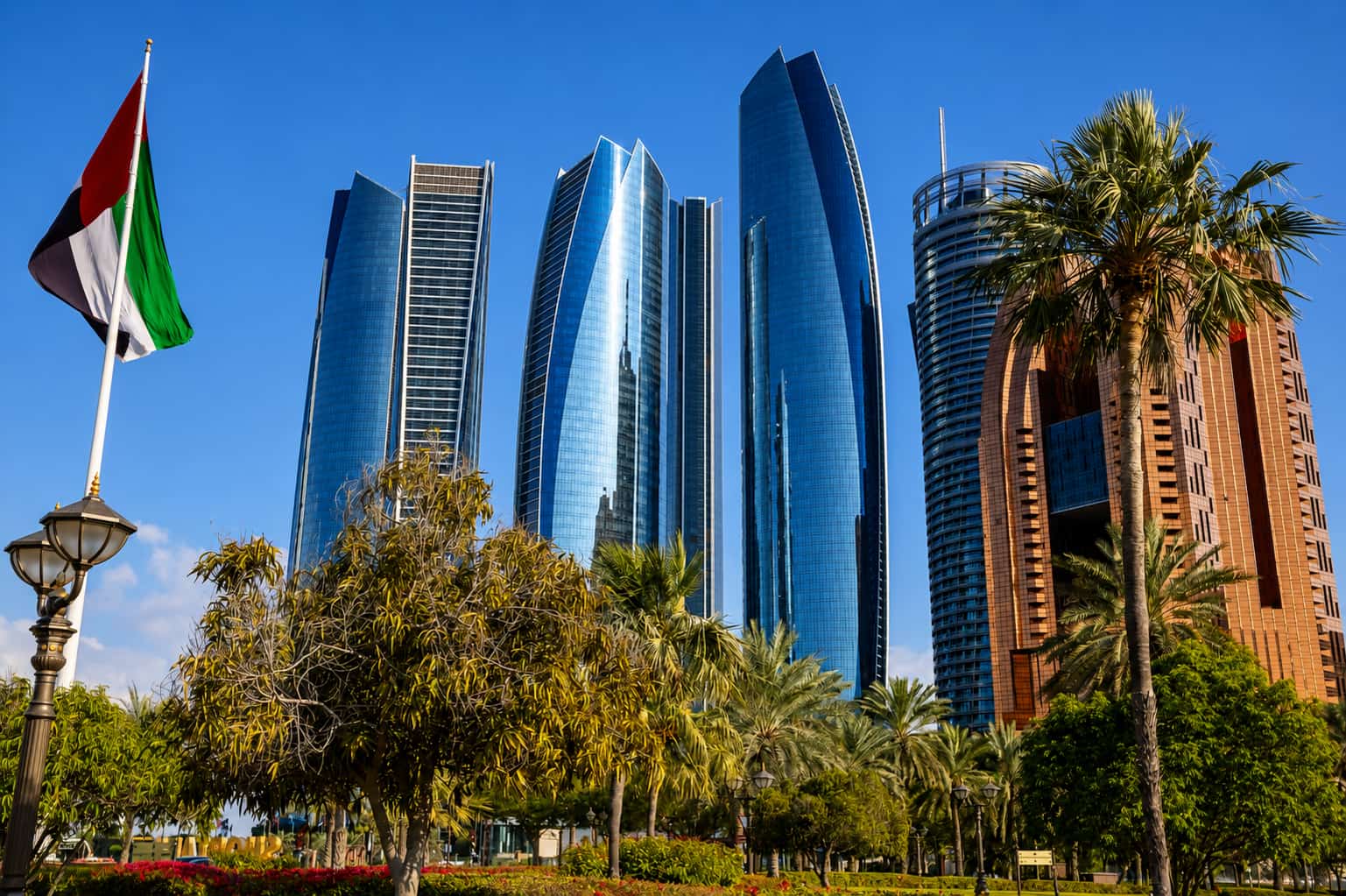
Emirates Palace Mandarin Oriental and Etihad Towers along the Corniche edge
Nation Towers Mall as a major commercial and hospitality reference point
Al Bateen Airport, which primarily handles private and executive aviation
Al Bateen Palace, a longstanding institutional landmark within the neighbourhood
The palace has historically influenced surrounding land-use decisions, contributing to lower-density zoning and heightened security infrastructure across nearby local streets. These characteristics continue to distinguish this part of the emirate from many of its more commercially concentrated retail and office hubs.
Movement Across Key Institutional Corridors
Travel between government institutions and private-sector offices forms part of the daily routine for many firms operating in the capital. Al Bateen allows relatively direct routing toward both the federal ministry corridor and ADNOC Headquarters without requiring transit through the more congested central grid. Internal roads also remain quieter during most hours, making client-facing travel noticeably easier through normal working hours.
What Makes Al Bateen Distinct Within Abu Dhabi?
A District Influenced by Diplomacy and Institutional History
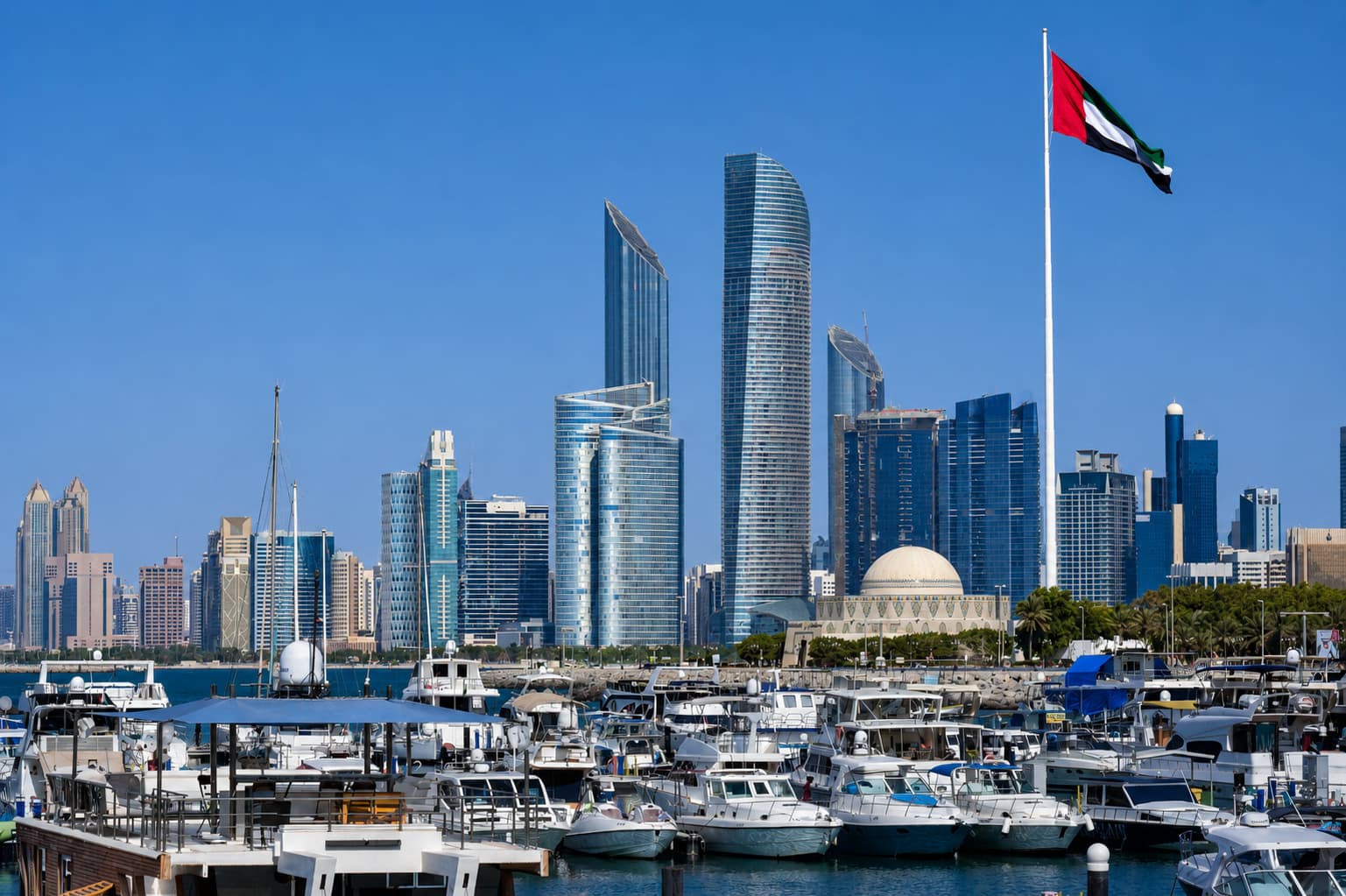
The Irish, Japanese, and Canadian embassies are among the diplomatic missions located within Al Bateen. Their influence extends beyond symbolic representation, shaping traffic patterns, security measures, and the overall pace of the surrounding neighbourhood. Compared with many of the city’s more commercially intensive areas, the streets here feel more restrained and residential in character.
That contrast becomes especially visible away from the Corniche-facing skyline. Glass-fronted corporate towers gradually give way to lower-rise buildings, wider setbacks, and tree-lined side streets. While both scales exist within close proximity, the interior retains a physical character that newer parts of the wider urban landscape rarely replicate.
Maritime Heritage and Coastal Legacy
Long before many of newer waterfront projects across the emirate emerged, Al Bateen played a visible role in the emirate’s maritime economy. Dhow-building activity operated along this coastline for generations, shaping part of the city’s early relationship with trade and fishing industries.
Elements of that history remain visible today. Marina facilities, yacht berths, and hospitality venues now occupy sections of the shoreline once tied more closely to industrial and fishing operations. Rather than feeling manufactured, however, the area’s coastal identity reflects a longer historical transition that continues to shape its atmosphere today.
Residential Areas and Property Landscape
Low-Rise Living Compared With Newer Districts
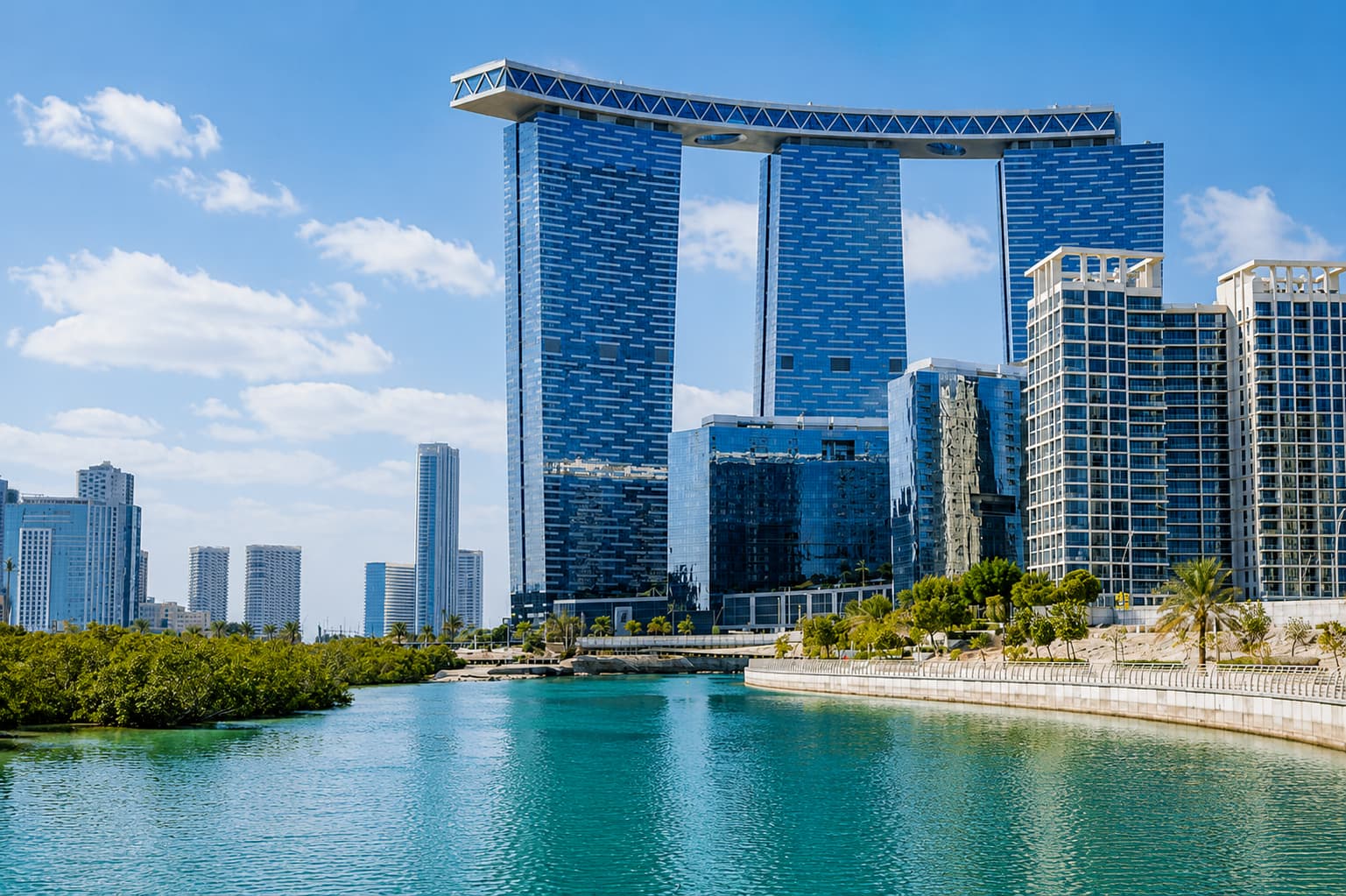
Where Al Reem Island and Al Maryah Island rely heavily on vertical expansion, much of Al Bateen follows a lower-rise housing model with larger floor plates, wider setbacks, and more private outdoor space. Villas and mixed-use compounds typically prioritise internal space and vehicle access over density, creating a noticeably different built form from many of newer coastal developments elsewhere.
Notable Residential Developments
Al Bateen Park: Anchors much of the villa market, with gated compounds offering multi-car garages, private gardens, and larger family-oriented layouts. The development primarily attracts mature family households seeking greater privacy while remaining within central Abu Dhabi.
Marasy and Bloom Marina: Appeal to consultants, regional executives, and entrepreneurs who prefer apartment-style living with direct access to cafés, walking paths, and nearby hospitality venues.
Al Bateen Wharf: Combines serviced apartments, marina berthing, and hospitality functions within a more mixed-use setting, accommodating both long-term occupants and shorter-term stays without the high-rise concentration seen elsewhere in the city.
Schools, Healthcare, and Everyday Practicality
Schools and healthcare facilities within and around the neighbourhood serve the practical demands of daily life for resident families. King's College Hospital London Clinic in nearby Al Khalidiyah is one of the area's key healthcare providers, while nearby schools reduce commute times for households with younger children.
Al Bateen Beach, Marina, and Outdoor Spaces
Coastal Setting
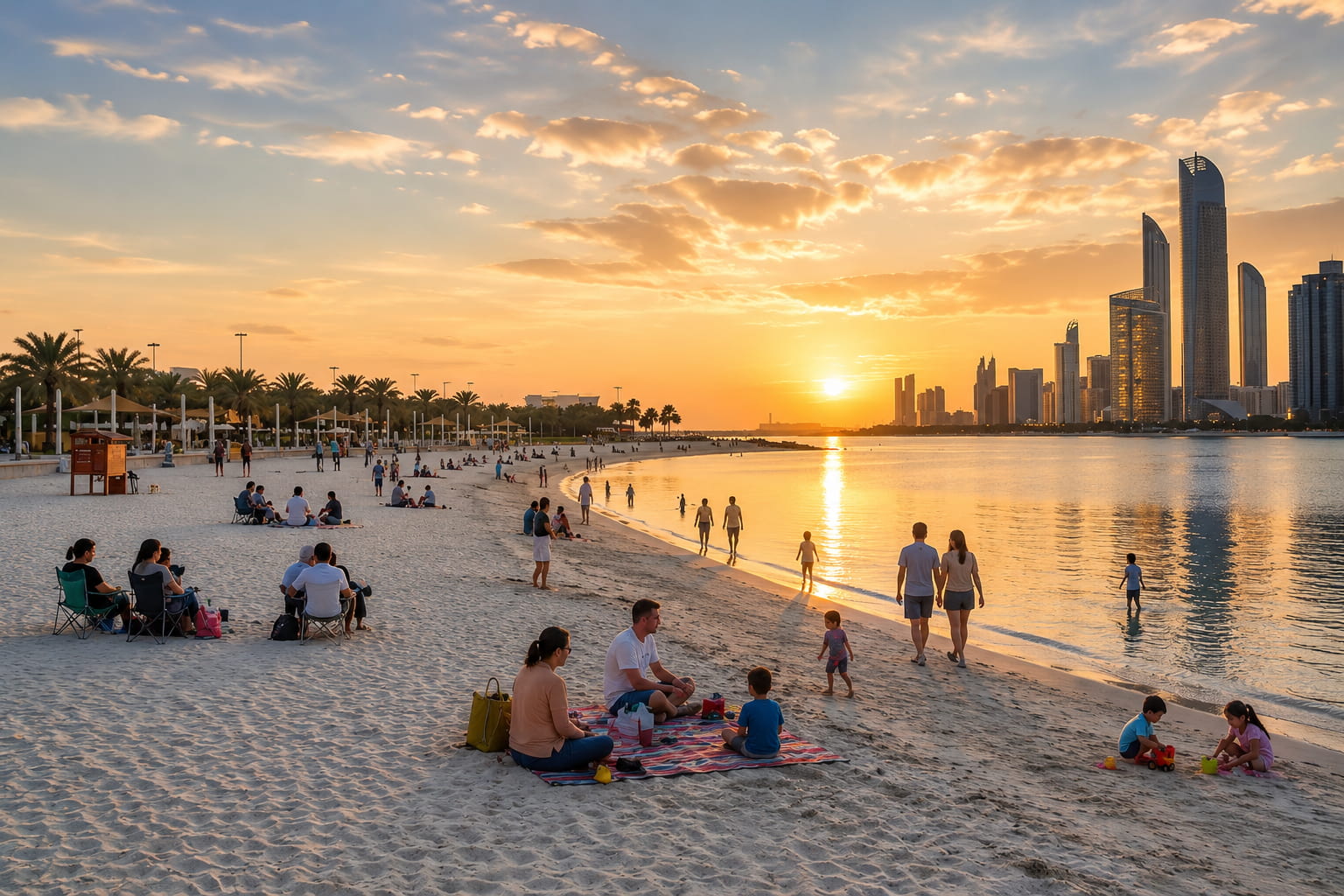
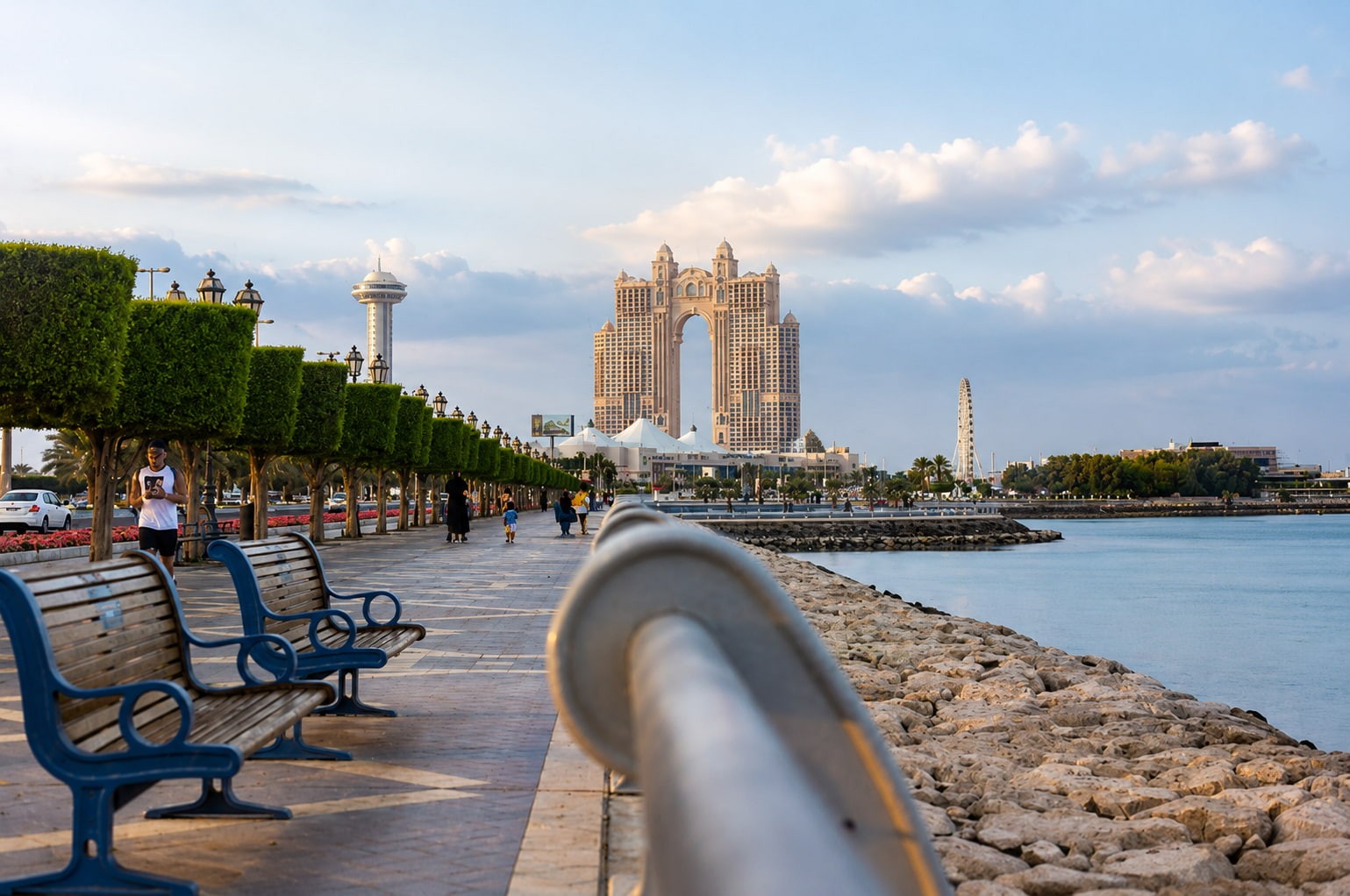
Al Bateen Beach faces toward Hudayriyat Island, which naturally limits exposure to stronger open-water conditions. The result is a calmer stretch of coastline used more frequently by local households than large visitor crowds. Walking routes along the shore remain active during the evenings, particularly among people seeking quieter outdoor spaces within the city.
Marina-Side Meetings and Daily Activity
The marinas and surrounding walkways serve a purpose beyond leisure. Consultants, advisory partners, and senior executives often use these spaces for quieter discussions away from formal office settings.
Several cafés along this stretch are regularly occupied during mid-morning hours by people holding informal meetings or working sessions outside conventional workplaces. This reflects a broader pattern found across many of Abu Dhabi's longstanding café destinations, where conversations often continue beyond boardrooms and formal meeting spaces.
Dining, Hotels, and Everyday Convenience
Talea at Emirates Palace Mandarin Oriental, Martabaan, and the dining venues inside The Abu Dhabi EDITION are among the hospitality spaces frequently used for client lunches and lower-profile client discussions in and around Al Bateen. Grand Hyatt adds further range within a short distance of the neighbourhood.
Daily infrastructure across the area remains equally practical. Supermarkets, pharmacies, boutique fitness facilities, and cafés near Nation Towers Mall support the routines of residents and nearby office workers without requiring significant detours throughout the day.
Transport, Parking, and Daily Movement
Road Networks and Traffic Flow
Corniche Road and Al Khaleej Al Arabi Street carry much of the vehicle traffic entering and leaving Al Bateen. Congestion typically builds between 7:30 and 9:00 AM as government and corporate schedules overlap across the same corridors, with similar patterns during evening exit hours. Local streets further inside the neighbourhood remain comparatively less affected.
Parking and Visitor Access
Compared with denser CBD areas such as Hamdan Street, parking availability across Al Bateen is generally more manageable. Basement parking beneath mixed-use buildings, wider streets, and easier drop-off access simplify arrivals for both residents and visiting clients.
Taxi and Ride-Hailing Services
Careem, Uber, and local taxi services maintain consistent coverage throughout the district and surrounding hospitality zones. For businesses hosting regular meetings, dependable ride-hailing availability reduces coordination challenges for visitors travelling across the city.
Is Al Bateen a Good Area for Business?
Suitability for Advisory and Government-Facing Firms
Legal consultancies, government relations practices, investment advisory groups, and regional representative offices often find Al Bateen commercially practical due to its proximity to federal ministry corridors and nearby hospitality venues. The locality suits organisations whose client interactions move regularly between formal meetings, working lunches, and lower-profile discussions across the metropolitan centre.
Workspace Options Near Nation Towers Mall
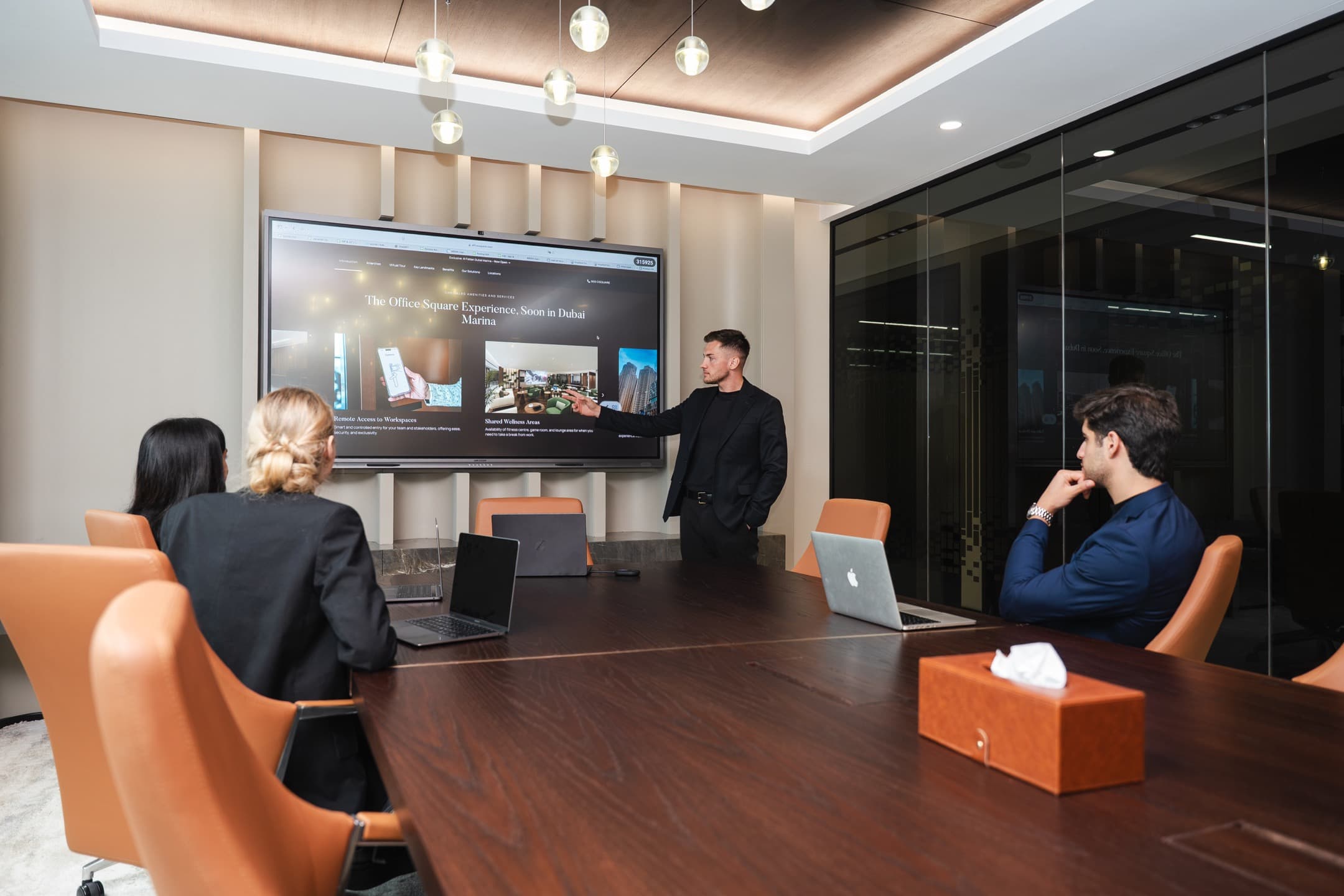
The wider area surrounding Nation Towers Mall includes a mix of workspace options suited to organisations operating with smaller regional teams, project-based structures, or evolving office requirements. Businesses seeking private offices, coworking desks, meeting rooms, or virtual office solutions can access workspace formats that provide a central address without the commitment of a permanent lease.
This arrangement is particularly relevant for firms managing phased market entry, regional expansion, or leaner operating structures. Access to business setup services and bookable meeting facilities also allows organisations to maintain a corporate footprint while keeping overheads lower.
An Enduring Part of the Capital
Much of Al Bateen's appeal comes from qualities that have remained consistent while other districts evolved more rapidly over recent decades. The area continues to attract residents, advisory groups, and client-facing businesses seeking a quieter base near key institutional and hospitality districts. Around Nation Towers Mall, serviced offices have become part of the area’s broader business environment, accommodating organisations seeking shorter-term occupancy arrangements without moving far from key commercial and government corridors.


Frequently Asked Questions
Is Al Bateen considered a high-end residential area?
Can foreign nationals purchase property in the area?
What free zones are closest to Al Bateen for business setup?
What is the parking situation like around Nation Towers Mall?
How long does it usually take to reach Zayed International Airport?